
Category: Uncategorized (Page 4 of 11)

Summer Moving in Minnesota: Tips for Hot-Weather Moves

Minnesota’s summers can be genuinely hot — and moving day in July or August with temperatures in the upper 80s and high humidity is a real physical challenge. While Cheep Cheep Movers is experienced with summer moving in the Twin Cities, here’s how you can make the day safer and more comfortable for everyone.

Start Early — Beat the Afternoon Heat

The difference between 9 AM and 2 PM on a hot Minnesota day can be 15-20°F with significantly higher humidity.

Schedule your move start time as early as possible. Starting at 7-8 AM means the bulk of heavy lifting happens in cooler morning hours before the day’s peak heat. Ideally, the loading work should be substantially complete by noon.

Hydration Is Critical — Provide It

Everyone should be drinking water constantly — not just when thirsty. Thirst is a lagging indicator of dehydration.

Have a case of water bottles and a cooler with ice accessible outside for your moving crew throughout the day. Sports drinks are appropriate for extended heavy labor in heat — electrolyte replacement matters.

Dress for the Heat

Wear moisture-wicking, light-colored clothing. Cotton holds sweat; performance fabric releases it.

Sunscreen on all exposed skin. Keep air conditioning running in both homes as long as possible to give everyone a temperature break between loads.

Protect Temperature-Sensitive Items

Many items are vulnerable to summer heat in a closed moving truck: candles (will melt), vinyl records, medications, electronics, and plants.

Transport heat-sensitive items in your air-conditioned personal vehicle rather than the moving truck.

Build Regular Breaks Into the Schedule

Scheduled 10-15 minute breaks in air conditioning are far more productive than pushing through until someone overheats.

A crew that takes appropriate breaks maintains form and efficiency much longer than a crew pushed to exhaustion in the afternoon heat.

Ready to Move? Let’s Make It Easy.

At Cheep Cheep Movers, we make local moving in the Twin Cities affordable and stress-free. Whether you need a full-service move or just some extra muscle, we’re here to help.

📞 Call us: 612-234-6605
📋 Get your free estimate online →

Summer Moving in Minnesota: Tips for Hot-Weather Moves

Minnesota’s summers can be genuinely hot — and moving day in July or August with temperatures in the upper 80s and high humidity is a real physical challenge. While Cheep Cheep Movers is experienced with summer moving in the Twin Cities, here’s how you can make the day safer and more comfortable for everyone.

Start Early — Beat the Afternoon Heat

The difference between 9 AM and 2 PM on a hot Minnesota day can be 15-20°F with significantly higher humidity.

Schedule your move start time as early as possible. Starting at 7-8 AM means the bulk of heavy lifting happens in cooler morning hours before the day’s peak heat. Ideally, the loading work should be substantially complete by noon.

Hydration Is Critical — Provide It

Everyone should be drinking water constantly — not just when thirsty. Thirst is a lagging indicator of dehydration.

Have a case of water bottles and a cooler with ice accessible outside for your moving crew throughout the day. Sports drinks are appropriate for extended heavy labor in heat — electrolyte replacement matters.

Dress for the Heat

Wear moisture-wicking, light-colored clothing. Cotton holds sweat; performance fabric releases it.

Sunscreen on all exposed skin. Keep air conditioning running in both homes as long as possible to give everyone a temperature break between loads.

Protect Temperature-Sensitive Items

Many items are vulnerable to summer heat in a closed moving truck: candles (will melt), vinyl records, medications, electronics, and plants.

Transport heat-sensitive items in your air-conditioned personal vehicle rather than the moving truck.

Build Regular Breaks Into the Schedule

Scheduled 10-15 minute breaks in air conditioning are far more productive than pushing through until someone overheats.

A crew that takes appropriate breaks maintains form and efficiency much longer than a crew pushed to exhaustion in the afternoon heat.

Ready to Move? Let’s Make It Easy.

At Cheep Cheep Movers, we make local moving in the Twin Cities affordable and stress-free. Whether you need a full-service move or just some extra muscle, we’re here to help.

📞 Call us: 612-234-6605
📋 Get your free estimate online →

Did You Know? Most Moving Injuries Happen in the First and Last Hour

A disproportionate share of moving-related injuries occur either in the first hour (when people rush without warming up) or the final hour (when people are exhausted and cutting corners). Understanding moving injury prevention protects your body and keeps your Twin Cities move on track.

Why the First Hour Is Dangerous

In the first hour, energy is high, momentum is building, and people rush without warming up properly.

Cold muscles are injury-prone muscles. Even five minutes of light stretching and movement before starting heavy lifting dramatically reduces injury risk.

The professional approach: assess each job before starting, plan the approach to heavy items, pace the work strategically from the first box.

Why the Final Hour Is Equally Dangerous

By the end of a long moving day, fatigue causes poor form, shortcuts, and lapses in safety protocols.

This is when ‘I’ll just grab this myself’ decisions get made, when lifting technique disappears, when people stop using the dolly for ‘one last’ heavy item.

Professional movers are trained to maintain form and protocols throughout a job — not just when fresh.

Safe Lifting Technique

  • Feet shoulder-width apart for a stable base
  • Bend at the knees, not the waist — squat down to the item
  • Keep your back straight and core engaged throughout the lift
  • Keep the item close to your body — the farther from your center, the more spinal strain
  • Never twist your back while carrying — turn with your whole body, feet included

When Two People Are Required

Any single item over 75 lbs — without exception

Any item where proper grip requires compressing your spine or reaching awkwardly

Any item that requires carrying on stairs without a clear, unobstructed path

When in doubt: use equipment (dolly, straps) or get a second person. No item is worth a herniated disc or torn rotator cuff.

The Equipment Solution

Professional moving equipment exists because heavy items should not be carried by hand when better options exist.

An appliance dolly can move a 400-lb refrigerator with two people safely. Moving straps transfer weight to the legs. Furniture sliders eliminate lifting entirely for horizontal movement.

Cheep Cheep Movers arrives with all of this equipment on every job — it’s standard, not an add-on.

Ready to Move? Let’s Make It Easy.

At Cheep Cheep Movers, we make local moving in the Twin Cities affordable and stress-free. Whether you need a full-service move or just some extra muscle, we’re here to help.

📞 Call us: 612-234-6605
📋 Get your free estimate online →
Did You Know? Most Moving Injuries Happen in the First and Last Hour

A disproportionate share of moving-related injuries occur either in the first hour (when people rush without warming up) or the final hour (when people are exhausted and cutting corners). Understanding moving injury prevention protects your body and keeps your Twin Cities move on track.

Why the First Hour Is Dangerous

In the first hour, energy is high, momentum is building, and people rush without warming up properly.

Cold muscles are injury-prone muscles. Even five minutes of light stretching and movement before starting heavy lifting dramatically reduces injury risk.

The professional approach: assess each job before starting, plan the approach to heavy items, pace the work strategically from the first box.

Why the Final Hour Is Equally Dangerous

By the end of a long moving day, fatigue causes poor form, shortcuts, and lapses in safety protocols.

This is when ‘I’ll just grab this myself’ decisions get made, when lifting technique disappears, when people stop using the dolly for ‘one last’ heavy item.

Professional movers are trained to maintain form and protocols throughout a job — not just when fresh.

Safe Lifting Technique

  • Feet shoulder-width apart for a stable base
  • Bend at the knees, not the waist — squat down to the item
  • Keep your back straight and core engaged throughout the lift
  • Keep the item close to your body — the farther from your center, the more spinal strain
  • Never twist your back while carrying — turn with your whole body, feet included

When Two People Are Required

Any single item over 75 lbs — without exception

Any item where proper grip requires compressing your spine or reaching awkwardly

Any item that requires carrying on stairs without a clear, unobstructed path

When in doubt: use equipment (dolly, straps) or get a second person. No item is worth a herniated disc or torn rotator cuff.

The Equipment Solution

Professional moving equipment exists because heavy items should not be carried by hand when better options exist.

An appliance dolly can move a 400-lb refrigerator with two people safely. Moving straps transfer weight to the legs. Furniture sliders eliminate lifting entirely for horizontal movement.

Cheep Cheep Movers arrives with all of this equipment on every job — it’s standard, not an add-on.

Ready to Move? Let’s Make It Easy.

At Cheep Cheep Movers, we make local moving in the Twin Cities affordable and stress-free. Whether you need a full-service move or just some extra muscle, we’re here to help.

📞 Call us: 612-234-6605
📋 Get your free estimate online →
How to Use Wardrobe Boxes (The Right Way)

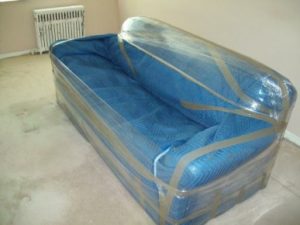
Wardrobe boxes are one of the most genuinely useful tools in moving — tall specialty boxes with a built-in hanging rod that let you transfer clothes directly from your closet without folding them. They’re a time-saver and a wrinkle-preventer. Most people either don’t know they exist or use them inefficiently. Here’s how to get the most from wardrobe boxes.

What a Wardrobe Box Is

A wardrobe box is a tall cardboard box — typically 24 inches wide, 20 inches deep, and 48 inches tall — with a metal hanging rod spanning the interior width.

You transfer hanging garments directly from your closet, close the lid, and your clothes arrive at the new home wrinkle-free and ready to immediately hang up. Cheep Cheep Movers can supply wardrobe boxes — ask when you book.

What Goes in Wardrobe Boxes

Hanging clothing: suits, dresses, coats, blouses, button-down shirts, formal wear, and anything that wrinkles when folded

Garment-bagged items: wedding dresses, dry-cleaned suits, specialty formal wear

Note: wardrobe boxes are NOT efficient for casual clothing like t-shirts and jeans — those fold and pack better in standard boxes

The Efficiency Hack: Use the Bottom Space

Here’s what most people miss: while clothes hang above, the bottom 12-18 inches of a wardrobe box is completely usable storage space.

Pack shoes, purses, scarves, belts, and folded sweaters in the bottom section. This transforms a single-purpose clothing box into a highly efficient dual-use packing unit at no additional cost.

How Many Wardrobe Boxes?

A standard wardrobe box holds approximately 2 feet of hanging clothing.

For a typical two-person household: 3-5 wardrobe boxes, depending on wardrobe sizes.

For large walk-in closets or extensive formal wear: 6-10 may be appropriate. Ask Cheep Cheep Movers for a recommendation when you book your move.

Moving Day Tips

Keep wardrobe boxes upright during transport — clothes hang best when the box stands vertical.

Measure staircase height and ceiling clearance if applicable — wardrobe boxes are tall and tricky in low-ceiling areas.

Label each box clearly: ‘Master Bedroom — Formal Wear’ is genuinely useful.

Ready to Move? Let’s Make It Easy.

At Cheep Cheep Movers, we make local moving in the Twin Cities affordable and stress-free. Whether you need a full-service move or just some extra muscle, we’re here to help.

📞 Call us: 612-234-6605
📋 Get your free estimate online →

How to Use Wardrobe Boxes (The Right Way)

Wardrobe boxes are one of the most genuinely useful tools in moving — tall specialty boxes with a built-in hanging rod that let you transfer clothes directly from your closet without folding them. They’re a time-saver and a wrinkle-preventer. Most people either don’t know they exist or use them inefficiently. Here’s how to get the most from wardrobe boxes.

What a Wardrobe Box Is

A wardrobe box is a tall cardboard box — typically 24 inches wide, 20 inches deep, and 48 inches tall — with a metal hanging rod spanning the interior width.

You transfer hanging garments directly from your closet, close the lid, and your clothes arrive at the new home wrinkle-free and ready to immediately hang up. Cheep Cheep Movers can supply wardrobe boxes — ask when you book.

What Goes in Wardrobe Boxes

Hanging clothing: suits, dresses, coats, blouses, button-down shirts, formal wear, and anything that wrinkles when folded

Garment-bagged items: wedding dresses, dry-cleaned suits, specialty formal wear

Note: wardrobe boxes are NOT efficient for casual clothing like t-shirts and jeans — those fold and pack better in standard boxes

The Efficiency Hack: Use the Bottom Space

Here’s what most people miss: while clothes hang above, the bottom 12-18 inches of a wardrobe box is completely usable storage space.

Pack shoes, purses, scarves, belts, and folded sweaters in the bottom section. This transforms a single-purpose clothing box into a highly efficient dual-use packing unit at no additional cost.

How Many Wardrobe Boxes?

A standard wardrobe box holds approximately 2 feet of hanging clothing.

For a typical two-person household: 3-5 wardrobe boxes, depending on wardrobe sizes.

For large walk-in closets or extensive formal wear: 6-10 may be appropriate. Ask Cheep Cheep Movers for a recommendation when you book your move.

Moving Day Tips

Keep wardrobe boxes upright during transport — clothes hang best when the box stands vertical.

Measure staircase height and ceiling clearance if applicable — wardrobe boxes are tall and tricky in low-ceiling areas.

Label each box clearly: ‘Master Bedroom — Formal Wear’ is genuinely useful.

Ready to Move? Let’s Make It Easy.

At Cheep Cheep Movers, we make local moving in the Twin Cities affordable and stress-free. Whether you need a full-service move or just some extra muscle, we’re here to help.

📞 Call us: 612-234-6605
📋 Get your free estimate online →

Moving to Burnsville, MN: Neighborhoods, Schools & More

If you’re planning on moving to Burnsville MN, you’re making an excellent choice. Burnsville is a Dakota County community of approximately 64,000 residents and one of the Twin Cities metro’s most desirable places to live. The commercial and residential heart of the south metro, Burnsville offers an excellent combination of urban convenience, suburban comfort, and outstanding natural amenities. Located along I-35W and Hwy 13, it provides direct access to Minneapolis and Bloomington while maintaining a genuine community feel. Local Burnsville movers teams like Cheep Cheep Movers help hundreds of families make this move every year.

Why People Choose Burnsville

Burnsville offers outstanding quality of life, safety, and community. Families, professionals, and retirees alike are drawn here for excellent services, beautiful surroundings, and easy metro access.

  • Burnsville Center: major regional shopping destination with retail, dining, and entertainment
  • Buck Hill Ski Area: family-friendly ski and snowboard destination right in the city
  • Crystal Lake Park and an extensive city-wide trail system
  • Burnsville Performing Arts Center: professional theatrical performances and events
  • I-35W and Hwy 13 access providing easy connections to Minneapolis, St. Paul, and the entire metro

Neighborhoods in Burnsville

Each area of Burnsville has its own distinct character — from established tree-lined streets to newer communities with modern amenities.

  • Heart of the City / Burnsville Parkway: Near Burnsville Center and the main commercial district. Mix of apartment communities, townhomes, and established single-family homes with maximum convenience.
  • Crystal Lake area: One of Burnsville’s most desirable residential areas centered on scenic Crystal Lake. Beautiful views, trail access, and a quiet residential character.
  • Buck Hill area: Near Buck Hill Ski Area in southwest Burnsville. More spacious lots, wooded settings, and higher-end single-family homes.
  • Nicollet Commons: Newer development in eastern Burnsville with modern apartment communities and townhomes near commercial services.

Schools and Community Life

Burnsville is served by Independent School District 191 (Burnsville-Eagan-Savage) with a strong K-12 reputation. Burnsville High School has a long tradition of academic achievement and athletic success.

Burnsville has well-maintained parks, recreation facilities, and community events that help new residents feel at home quickly.

Getting Around

Burnsville’s position at the I-35W/I-35E/Hwy 13 confluence makes it exceptionally well-connected. Minneapolis is about 20 minutes north; downtown St. Paul via Hwy 13 east. Metro Transit provides bus service connecting to the regional network.

Tips for Moving to Burnsville

  • Burnsville Center area sees significant weekend traffic — plan your move for early morning or a weekday
  • Crystal Lake neighborhoods are among the most desirable — homes near the lake sell quickly in spring
  • Register for city communications soon after moving in — Burnsville has an excellent city notification system
  • Buck Hill occasionally has special events affecting local traffic — check the calendar around your move date

Your Professional Moving Team

Cheep Cheep Movers serves Burnsville and the entire Twin Cities metro. We know the neighborhoods, access requirements, and best routes for an efficient, professional move. Get your free estimate today.

Ready to Move? Let’s Make It Easy.

At Cheep Cheep Movers, we make local moving in the Twin Cities affordable and stress-free. Whether you need a full-service move or just some extra muscle, we’re here to help.

📞 Call us: 612-234-6605
📋 Get your free estimate online →

Moving to Burnsville, MN: Neighborhoods, Schools & More

If you’re planning on moving to Burnsville MN, you’re making an excellent choice. Burnsville is a Dakota County community of approximately 64,000 residents and one of the Twin Cities metro’s most desirable places to live. The commercial and residential heart of the south metro, Burnsville offers an excellent combination of urban convenience, suburban comfort, and outstanding natural amenities. Located along I-35W and Hwy 13, it provides direct access to Minneapolis and Bloomington while maintaining a genuine community feel. Local Burnsville movers teams like Cheep Cheep Movers help hundreds of families make this move every year.

Why People Choose Burnsville

Burnsville offers outstanding quality of life, safety, and community. Families, professionals, and retirees alike are drawn here for excellent services, beautiful surroundings, and easy metro access.

  • Burnsville Center: major regional shopping destination with retail, dining, and entertainment
  • Buck Hill Ski Area: family-friendly ski and snowboard destination right in the city
  • Crystal Lake Park and an extensive city-wide trail system
  • Burnsville Performing Arts Center: professional theatrical performances and events
  • I-35W and Hwy 13 access providing easy connections to Minneapolis, St. Paul, and the entire metro

Neighborhoods in Burnsville

Each area of Burnsville has its own distinct character — from established tree-lined streets to newer communities with modern amenities.

  • Heart of the City / Burnsville Parkway: Near Burnsville Center and the main commercial district. Mix of apartment communities, townhomes, and established single-family homes with maximum convenience.
  • Crystal Lake area: One of Burnsville’s most desirable residential areas centered on scenic Crystal Lake. Beautiful views, trail access, and a quiet residential character.
  • Buck Hill area: Near Buck Hill Ski Area in southwest Burnsville. More spacious lots, wooded settings, and higher-end single-family homes.
  • Nicollet Commons: Newer development in eastern Burnsville with modern apartment communities and townhomes near commercial services.

Schools and Community Life

Burnsville is served by Independent School District 191 (Burnsville-Eagan-Savage) with a strong K-12 reputation. Burnsville High School has a long tradition of academic achievement and athletic success.

Burnsville has well-maintained parks, recreation facilities, and community events that help new residents feel at home quickly.

Getting Around

Burnsville’s position at the I-35W/I-35E/Hwy 13 confluence makes it exceptionally well-connected. Minneapolis is about 20 minutes north; downtown St. Paul via Hwy 13 east. Metro Transit provides bus service connecting to the regional network.

Tips for Moving to Burnsville

  • Burnsville Center area sees significant weekend traffic — plan your move for early morning or a weekday
  • Crystal Lake neighborhoods are among the most desirable — homes near the lake sell quickly in spring
  • Register for city communications soon after moving in — Burnsville has an excellent city notification system
  • Buck Hill occasionally has special events affecting local traffic — check the calendar around your move date

Your Professional Moving Team

Cheep Cheep Movers serves Burnsville and the entire Twin Cities metro. We know the neighborhoods, access requirements, and best routes for an efficient, professional move. Get your free estimate today.

Ready to Move? Let’s Make It Easy.

At Cheep Cheep Movers, we make local moving in the Twin Cities affordable and stress-free. Whether you need a full-service move or just some extra muscle, we’re here to help.

📞 Call us: 612-234-6605
📋 Get your free estimate online →

How to Declutter Before a Move (And Actually Let Go of Stuff)

Everyone knows they should declutter before moving. Fewer items means a faster move, lower costs, and less chaos. But knowing you should and actually doing it — really letting go — are two different challenges. Here’s how to declutter effectively before your Twin Cities move, including the mindset shifts that make it stick.

Why Decluttering Saves Real Money

Professional movers charge by time or volume. Every box you don’t move is mover time saved — directly translating to dollars on your invoice.

A rough estimate: every 10 boxes you eliminate saves approximately 20-30 minutes of mover time. At Twin Cities hourly rates, that’s meaningful money back in your pocket.

Start Earlier Than You Think You Need To

Begin decluttering at least three weeks before your move date — four to six weeks is ideal.

Decluttering takes longer than expected because every item requires a decision. Starting late leads to boxing everything in desperation with the intention of ‘dealing with it later.’ You won’t deal with it later.

The Three-Box Method

Go room by room with three boxes or areas: Keep, Donate, Trash.

The critical rule: if you haven’t used an item in a year and don’t have a specific future use for it, it goes in Donate or Trash. Not ‘maybe’ — make the real decision now.

Be especially ruthless with duplicates, old technology, expired items, and things kept because they ‘might be useful someday.’

Twin Cities Donation Options

  • Goodwill: multiple Twin Cities locations, accepts most household goods and clothing
  • St. Vincent de Paul: furniture pickup available for larger items
  • Reuse Center (2360 Glenwood Ave, Minneapolis): building materials and household items
  • ARC’s Value Village: clothing, books, household items
  • Facebook Buy Nothing groups: neighbors who will take almost anything, immediately and for free

Handling Emotionally Difficult Items

Sentimental items are hardest. A useful framework: keep items that carry genuine positive memory or that you would actively miss — not items you feel guilty about releasing.

Inherited items: if you’re keeping something only from obligation rather than genuine attachment, it may be time to find it a better home.

Ready to Move? Let’s Make It Easy.

At Cheep Cheep Movers, we make local moving in the Twin Cities affordable and stress-free. Whether you need a full-service move or just some extra muscle, we’re here to help.

📞 Call us: 612-234-6605
📋 Get your free estimate online →

How to Declutter Before a Move (And Actually Let Go of Stuff)

Everyone knows they should declutter before moving. Fewer items means a faster move, lower costs, and less chaos. But knowing you should and actually doing it — really letting go — are two different challenges. Here’s how to declutter effectively before your Twin Cities move, including the mindset shifts that make it stick.

Why Decluttering Saves Real Money

Professional movers charge by time or volume. Every box you don’t move is mover time saved — directly translating to dollars on your invoice.

A rough estimate: every 10 boxes you eliminate saves approximately 20-30 minutes of mover time. At Twin Cities hourly rates, that’s meaningful money back in your pocket.

Start Earlier Than You Think You Need To

Begin decluttering at least three weeks before your move date — four to six weeks is ideal.

Decluttering takes longer than expected because every item requires a decision. Starting late leads to boxing everything in desperation with the intention of ‘dealing with it later.’ You won’t deal with it later.

The Three-Box Method

Go room by room with three boxes or areas: Keep, Donate, Trash.

The critical rule: if you haven’t used an item in a year and don’t have a specific future use for it, it goes in Donate or Trash. Not ‘maybe’ — make the real decision now.

Be especially ruthless with duplicates, old technology, expired items, and things kept because they ‘might be useful someday.’

Twin Cities Donation Options

  • Goodwill: multiple Twin Cities locations, accepts most household goods and clothing
  • St. Vincent de Paul: furniture pickup available for larger items
  • Reuse Center (2360 Glenwood Ave, Minneapolis): building materials and household items
  • ARC’s Value Village: clothing, books, household items
  • Facebook Buy Nothing groups: neighbors who will take almost anything, immediately and for free

Handling Emotionally Difficult Items

Sentimental items are hardest. A useful framework: keep items that carry genuine positive memory or that you would actively miss — not items you feel guilty about releasing.

Inherited items: if you’re keeping something only from obligation rather than genuine attachment, it may be time to find it a better home.

Ready to Move? Let’s Make It Easy.

At Cheep Cheep Movers, we make local moving in the Twin Cities affordable and stress-free. Whether you need a full-service move or just some extra muscle, we’re here to help.

📞 Call us: 612-234-6605
📋 Get your free estimate online →

« Older posts Newer posts »

© 2026 Cheep Cheep Movers

Theme by Anders NorenUp ↑