
Page 12 of 19

Moving a Hot Tub: Here’s What It Actually Takes

Hot tubs are one of the most challenging items a moving company encounters. Empty, they weigh 500-1,000 pounds. Their acrylic shells can crack under improper stress. And getting them out of a backyard, off a deck, or out of a basement requires specialized equipment and planning. Here’s what hot tub moving in Minneapolis actually involves.

Why Hot Tubs Are So Difficult to Move

  • Weight: 500-900 lbs empty — must be fully drained before any move attempt
  • Size: most hot tubs are 6-8 feet square — far larger than standard doorways
  • Fragility: the acrylic shell is vulnerable to cracking under uneven pressure
  • Location: most are in backyards, on decks, or in basements with limited access

Step 1: Drain and Disconnect Completely

Fully drain all water before any move attempt — this takes several hours for full-size tubs.

Disconnect all electrical connections — this must be done by a licensed electrician. Hot tubs typically run on 240V service.

Disconnect all plumbing connections and blow out remaining water from internal lines and jets. Remove the cover, pillows, steps, and filter components separately.

Step 2: Access Route Assessment

The crew must assess the complete access route before attempting the move: gate width, changes in grade, tight turns, distance to the truck.

For backyard moves without gate access, a hot tub dolly and carefully prepared pathway is essential.

Step 3: The Professional Equipment Needed

  • Hot tub dollies: specialized extra-wide rolling platforms designed for hot tub dimensions
  • Moving straps and harnesses: for controlled movement and balance
  • Foam padding and moving blankets: to protect the shell from scratches and impact
  • In some cases: a crane or forklift service may be required for difficult access

Reconnection at the New Home

At the destination, a licensed electrician must reconnect the electrical service before the hot tub can be used.

Position on a solid, level surface — concrete pad or reinforced deck. Follow the manufacturer’s startup and refilling procedure carefully.

Always Hire Professionals

Attempting to move a hot tub without the right equipment and team is one of the most dangerous DIY moving decisions possible. Cheep Cheep Movers has the equipment and experience for hot tub moves throughout the Twin Cities.

Ready to Move? Let’s Make It Easy.

At Cheep Cheep Movers, we make local moving in the Twin Cities affordable and stress-free. Whether you need a full-service move or just some extra muscle, we’re here to help.

📞 Call us: 612-234-6605
📋 Get your free estimate online →

Moving to Minnetonka, MN: Lakes, Trails & Great Neighborhoods

If you’re planning on moving to Minnetonka MN, you’re making an excellent choice. Minnetonka is a Hennepin County community of approximately 55,000 residents and one of the Twin Cities metro’s most desirable places to live. Minnetonka is one of the Twin Cities’ most desirable western suburbs — a community that combines beautiful natural surroundings, excellent schools, upscale shopping and dining, and a quality of life that consistently commands a premium. Located along Lake Minnetonka’s eastern bays, the city balances natural beauty with excellent metro access. Local Minnetonka movers teams like Cheep Cheep Movers help hundreds of families make this move every year.

Why People Choose Minnetonka

Minnetonka offers outstanding quality of life, safety, and community. Families, professionals, and retirees alike are drawn here for excellent services, beautiful surroundings, and easy metro access.

  • Minnetonka School District (ISD 276): excellent academic reputation with Minnetonka High School highly regarded statewide
  • Access to Lake Minnetonka’s eastern bays and the city’s extensive lake and trail system
  • Nine Mile Creek Regional Trail running through the city
  • Ridgedale Center for upscale shopping, dining, and entertainment
  • I-394 direct access to downtown Minneapolis in about 20 minutes

Neighborhoods in Minnetonka

Each area of Minnetonka has its own distinct character — from established tree-lined streets to newer communities with modern amenities.

  • Ridgedale area: Near Ridgedale Center — one of the metro’s premier shopping destinations. Range of townhomes, condominiums, and single-family homes. Highly convenient and well-connected to I-394.
  • City Hall / Minnetonka Blvd corridor: Established residential neighborhoods in central Minnetonka with a mix of home styles and excellent access to city parks and services.
  • Nine Mile Creek area: Along the Nine Mile Creek regional trail corridor — ideal for outdoor-oriented families who want trail access from their front door.
  • Lake Minnetonka adjacent: Premium residential area with exceptional water views and lake access. Highest property values in the city.

Schools and Community Life

Minnetonka Public Schools (ISD 276) has a strong academic reputation. Minnetonka High School is one of the metro’s most well-regarded for academics and extracurriculars, with consistently high test scores and college placement rates.

Minnetonka has well-maintained parks, recreation facilities, and community events that help new residents feel at home quickly.

Getting Around

Minnetonka’s primary highway is I-394, providing direct downtown Minneapolis access in about 20 minutes. Hwy 169 also runs through the city. The Cedar Lake Regional Trail connects to the broader Twin Cities trail network. Metro Transit bus routes serve the city.

Tips for Moving to Minnetonka

  • Traffic on I-394 during morning commute hours can be significant — factor this into daily commute planning
  • Lake Minnetonka access varies by neighborhood — clarify lake rights before purchasing near-lake property
  • Minnetonka has active neighborhood associations — engage with yours early after moving in
  • Pick up a trail map from the city’s parks department your first week — the trail system is excellent

Your Professional Moving Team

Cheep Cheep Movers serves Minnetonka and the entire Twin Cities metro. We know the neighborhoods, access requirements, and best routes for an efficient, professional move. Get your free estimate today.

Ready to Move? Let’s Make It Easy.

At Cheep Cheep Movers, we make local moving in the Twin Cities affordable and stress-free. Whether you need a full-service move or just some extra muscle, we’re here to help.

📞 Call us: 612-234-6605
📋 Get your free estimate online →

Moving to Minnetonka, MN: Lakes, Trails & Great Neighborhoods

If you’re planning on moving to Minnetonka MN, you’re making an excellent choice. Minnetonka is a Hennepin County community of approximately 55,000 residents and one of the Twin Cities metro’s most desirable places to live. Minnetonka is one of the Twin Cities’ most desirable western suburbs — a community that combines beautiful natural surroundings, excellent schools, upscale shopping and dining, and a quality of life that consistently commands a premium. Located along Lake Minnetonka’s eastern bays, the city balances natural beauty with excellent metro access. Local Minnetonka movers teams like Cheep Cheep Movers help hundreds of families make this move every year.

Why People Choose Minnetonka

Minnetonka offers outstanding quality of life, safety, and community. Families, professionals, and retirees alike are drawn here for excellent services, beautiful surroundings, and easy metro access.

  • Minnetonka School District (ISD 276): excellent academic reputation with Minnetonka High School highly regarded statewide
  • Access to Lake Minnetonka’s eastern bays and the city’s extensive lake and trail system
  • Nine Mile Creek Regional Trail running through the city
  • Ridgedale Center for upscale shopping, dining, and entertainment
  • I-394 direct access to downtown Minneapolis in about 20 minutes

Neighborhoods in Minnetonka

Each area of Minnetonka has its own distinct character — from established tree-lined streets to newer communities with modern amenities.

  • Ridgedale area: Near Ridgedale Center — one of the metro’s premier shopping destinations. Range of townhomes, condominiums, and single-family homes. Highly convenient and well-connected to I-394.
  • City Hall / Minnetonka Blvd corridor: Established residential neighborhoods in central Minnetonka with a mix of home styles and excellent access to city parks and services.
  • Nine Mile Creek area: Along the Nine Mile Creek regional trail corridor — ideal for outdoor-oriented families who want trail access from their front door.
  • Lake Minnetonka adjacent: Premium residential area with exceptional water views and lake access. Highest property values in the city.

Schools and Community Life

Minnetonka Public Schools (ISD 276) has a strong academic reputation. Minnetonka High School is one of the metro’s most well-regarded for academics and extracurriculars, with consistently high test scores and college placement rates.

Minnetonka has well-maintained parks, recreation facilities, and community events that help new residents feel at home quickly.

Getting Around

Minnetonka’s primary highway is I-394, providing direct downtown Minneapolis access in about 20 minutes. Hwy 169 also runs through the city. The Cedar Lake Regional Trail connects to the broader Twin Cities trail network. Metro Transit bus routes serve the city.

Tips for Moving to Minnetonka

  • Traffic on I-394 during morning commute hours can be significant — factor this into daily commute planning
  • Lake Minnetonka access varies by neighborhood — clarify lake rights before purchasing near-lake property
  • Minnetonka has active neighborhood associations — engage with yours early after moving in
  • Pick up a trail map from the city’s parks department your first week — the trail system is excellent

Your Professional Moving Team

Cheep Cheep Movers serves Minnetonka and the entire Twin Cities metro. We know the neighborhoods, access requirements, and best routes for an efficient, professional move. Get your free estimate today.

Ready to Move? Let’s Make It Easy.

At Cheep Cheep Movers, we make local moving in the Twin Cities affordable and stress-free. Whether you need a full-service move or just some extra muscle, we’re here to help.

📞 Call us: 612-234-6605
📋 Get your free estimate online →
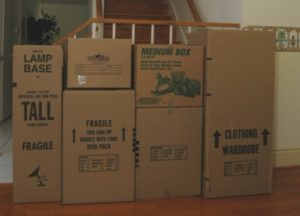
Don’t Make These Packing Mistakes on Moving Day

Moving day has arrived and there are still things not fully packed. The temptation is to throw items in boxes as fast as possible — and that’s exactly how things get broken, lost, and chaotically disorganized. Here are the most common packing mistakes people make on moving morning and how to avoid them.

Mixing Items from Different Rooms

In the moving morning chaos, boxes often become dumping grounds for whatever is nearby regardless of its origin.

Maintain strict room-by-room discipline even on moving day. Keep designated boxes for each room. Three seconds of discipline now saves 15 minutes of confusion during unpacking.

Overpacking Large Boxes

Desperate to pack everything fast, people fill large boxes until they weigh 80+ lbs and can barely be carried.

Rule: heavy items in small boxes only. Large boxes for light items. If you can’t comfortably lift a box with both hands, redistribute — even if it means more boxes.

Vague or Missing Labels

‘Bedroom stuff’ tells movers nothing useful. ‘Master Bedroom — Closet — Winter Clothes’ tells them exactly where to put it.

Keep a marker in hand on moving day and label every box before it leaves the room. Three seconds of labeling saves 10 minutes of searching later.

Rushing Fragile Items Into Boxes

The kitchen is often last-packed, and time pressure leads to dishes rushed into boxes without proper wrapping.

Even on moving morning: take the time to properly wrap each plate and glass. A broken heirloom costs far more to grieve than the wrapping would have taken.

Forgetting Hidden Spaces

Items left in appliances, medicine cabinets, under beds, and in garage corners are discovered only after the truck has left.

Before calling the move complete: check every appliance, cabinet, drawer, closet corner, and storage space. The final walkthrough is not optional.

No Essentials Bag

At the end of a long moving day, digging through 40 boxes for your phone charger or toothbrush is the final indignity.

Pack your essentials bag first — ideally the night before. Keep it in your car. Phone charger, toiletries, medications, a change of clothes.

Ready to Move? Let’s Make It Easy.

At Cheep Cheep Movers, we make local moving in the Twin Cities affordable and stress-free. Whether you need a full-service move or just some extra muscle, we’re here to help.

📞 Call us: 612-234-6605
📋 Get your free estimate online →
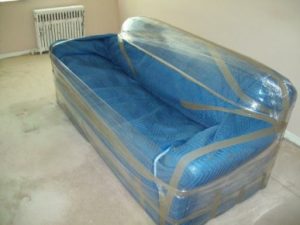
Don’t Make These Packing Mistakes on Moving Day

Moving day has arrived and there are still things not fully packed. The temptation is to throw items in boxes as fast as possible — and that’s exactly how things get broken, lost, and chaotically disorganized. Here are the most common packing mistakes people make on moving morning and how to avoid them.

Mixing Items from Different Rooms

In the moving morning chaos, boxes often become dumping grounds for whatever is nearby regardless of its origin.

Maintain strict room-by-room discipline even on moving day. Keep designated boxes for each room. Three seconds of discipline now saves 15 minutes of confusion during unpacking.

Overpacking Large Boxes

Desperate to pack everything fast, people fill large boxes until they weigh 80+ lbs and can barely be carried.

Rule: heavy items in small boxes only. Large boxes for light items. If you can’t comfortably lift a box with both hands, redistribute — even if it means more boxes.

Vague or Missing Labels

‘Bedroom stuff’ tells movers nothing useful. ‘Master Bedroom — Closet — Winter Clothes’ tells them exactly where to put it.

Keep a marker in hand on moving day and label every box before it leaves the room. Three seconds of labeling saves 10 minutes of searching later.

Rushing Fragile Items Into Boxes

The kitchen is often last-packed, and time pressure leads to dishes rushed into boxes without proper wrapping.

Even on moving morning: take the time to properly wrap each plate and glass. A broken heirloom costs far more to grieve than the wrapping would have taken.

Forgetting Hidden Spaces

Items left in appliances, medicine cabinets, under beds, and in garage corners are discovered only after the truck has left.

Before calling the move complete: check every appliance, cabinet, drawer, closet corner, and storage space. The final walkthrough is not optional.

No Essentials Bag

At the end of a long moving day, digging through 40 boxes for your phone charger or toothbrush is the final indignity.

Pack your essentials bag first — ideally the night before. Keep it in your car. Phone charger, toiletries, medications, a change of clothes.

Ready to Move? Let’s Make It Easy.

At Cheep Cheep Movers, we make local moving in the Twin Cities affordable and stress-free. Whether you need a full-service move or just some extra muscle, we’re here to help.

📞 Call us: 612-234-6605
📋 Get your free estimate online →

Summer Moving in Minnesota: Tips for Hot-Weather Moves

Minnesota’s summers can be genuinely hot — and moving day in July or August with temperatures in the upper 80s and high humidity is a real physical challenge. While Cheep Cheep Movers is experienced with summer moving in the Twin Cities, here’s how you can make the day safer and more comfortable for everyone.

Start Early — Beat the Afternoon Heat

The difference between 9 AM and 2 PM on a hot Minnesota day can be 15-20°F with significantly higher humidity.

Schedule your move start time as early as possible. Starting at 7-8 AM means the bulk of heavy lifting happens in cooler morning hours before the day’s peak heat. Ideally, the loading work should be substantially complete by noon.

Hydration Is Critical — Provide It

Everyone should be drinking water constantly — not just when thirsty. Thirst is a lagging indicator of dehydration.

Have a case of water bottles and a cooler with ice accessible outside for your moving crew throughout the day. Sports drinks are appropriate for extended heavy labor in heat — electrolyte replacement matters.

Dress for the Heat

Wear moisture-wicking, light-colored clothing. Cotton holds sweat; performance fabric releases it.

Sunscreen on all exposed skin. Keep air conditioning running in both homes as long as possible to give everyone a temperature break between loads.

Protect Temperature-Sensitive Items

Many items are vulnerable to summer heat in a closed moving truck: candles (will melt), vinyl records, medications, electronics, and plants.

Transport heat-sensitive items in your air-conditioned personal vehicle rather than the moving truck.

Build Regular Breaks Into the Schedule

Scheduled 10-15 minute breaks in air conditioning are far more productive than pushing through until someone overheats.

A crew that takes appropriate breaks maintains form and efficiency much longer than a crew pushed to exhaustion in the afternoon heat.

Ready to Move? Let’s Make It Easy.

At Cheep Cheep Movers, we make local moving in the Twin Cities affordable and stress-free. Whether you need a full-service move or just some extra muscle, we’re here to help.

📞 Call us: 612-234-6605
📋 Get your free estimate online →

Did You Know? Most Moving Injuries Happen in the First and Last Hour

A disproportionate share of moving-related injuries occur either in the first hour (when people rush without warming up) or the final hour (when people are exhausted and cutting corners). Understanding moving injury prevention protects your body and keeps your Twin Cities move on track.

Why the First Hour Is Dangerous

In the first hour, energy is high, momentum is building, and people rush without warming up properly.

Cold muscles are injury-prone muscles. Even five minutes of light stretching and movement before starting heavy lifting dramatically reduces injury risk.

The professional approach: assess each job before starting, plan the approach to heavy items, pace the work strategically from the first box.

Why the Final Hour Is Equally Dangerous

By the end of a long moving day, fatigue causes poor form, shortcuts, and lapses in safety protocols.

This is when ‘I’ll just grab this myself’ decisions get made, when lifting technique disappears, when people stop using the dolly for ‘one last’ heavy item.

Professional movers are trained to maintain form and protocols throughout a job — not just when fresh.

Safe Lifting Technique

  • Feet shoulder-width apart for a stable base
  • Bend at the knees, not the waist — squat down to the item
  • Keep your back straight and core engaged throughout the lift
  • Keep the item close to your body — the farther from your center, the more spinal strain
  • Never twist your back while carrying — turn with your whole body, feet included

When Two People Are Required

Any single item over 75 lbs — without exception

Any item where proper grip requires compressing your spine or reaching awkwardly

Any item that requires carrying on stairs without a clear, unobstructed path

When in doubt: use equipment (dolly, straps) or get a second person. No item is worth a herniated disc or torn rotator cuff.

The Equipment Solution

Professional moving equipment exists because heavy items should not be carried by hand when better options exist.

An appliance dolly can move a 400-lb refrigerator with two people safely. Moving straps transfer weight to the legs. Furniture sliders eliminate lifting entirely for horizontal movement.

Cheep Cheep Movers arrives with all of this equipment on every job — it’s standard, not an add-on.

Ready to Move? Let’s Make It Easy.

At Cheep Cheep Movers, we make local moving in the Twin Cities affordable and stress-free. Whether you need a full-service move or just some extra muscle, we’re here to help.

📞 Call us: 612-234-6605
📋 Get your free estimate online →

How to Use Wardrobe Boxes (The Right Way)

Wardrobe boxes are one of the most genuinely useful tools in moving — tall specialty boxes with a built-in hanging rod that let you transfer clothes directly from your closet without folding them. They’re a time-saver and a wrinkle-preventer. Most people either don’t know they exist or use them inefficiently. Here’s how to get the most from wardrobe boxes.

What a Wardrobe Box Is

A wardrobe box is a tall cardboard box — typically 24 inches wide, 20 inches deep, and 48 inches tall — with a metal hanging rod spanning the interior width.

You transfer hanging garments directly from your closet, close the lid, and your clothes arrive at the new home wrinkle-free and ready to immediately hang up. Cheep Cheep Movers can supply wardrobe boxes — ask when you book.

What Goes in Wardrobe Boxes

Hanging clothing: suits, dresses, coats, blouses, button-down shirts, formal wear, and anything that wrinkles when folded

Garment-bagged items: wedding dresses, dry-cleaned suits, specialty formal wear

Note: wardrobe boxes are NOT efficient for casual clothing like t-shirts and jeans — those fold and pack better in standard boxes

The Efficiency Hack: Use the Bottom Space

Here’s what most people miss: while clothes hang above, the bottom 12-18 inches of a wardrobe box is completely usable storage space.

Pack shoes, purses, scarves, belts, and folded sweaters in the bottom section. This transforms a single-purpose clothing box into a highly efficient dual-use packing unit at no additional cost.

How Many Wardrobe Boxes?

A standard wardrobe box holds approximately 2 feet of hanging clothing.

For a typical two-person household: 3-5 wardrobe boxes, depending on wardrobe sizes.

For large walk-in closets or extensive formal wear: 6-10 may be appropriate. Ask Cheep Cheep Movers for a recommendation when you book your move.

Moving Day Tips

Keep wardrobe boxes upright during transport — clothes hang best when the box stands vertical.

Measure staircase height and ceiling clearance if applicable — wardrobe boxes are tall and tricky in low-ceiling areas.

Label each box clearly: ‘Master Bedroom — Formal Wear’ is genuinely useful.

Ready to Move? Let’s Make It Easy.

At Cheep Cheep Movers, we make local moving in the Twin Cities affordable and stress-free. Whether you need a full-service move or just some extra muscle, we’re here to help.

📞 Call us: 612-234-6605
📋 Get your free estimate online →

« Older posts Newer posts »

© 2026 Cheep Cheep Movers

Theme by Anders Noren — Up ↑